

Rising Market Demand Drives Higher Standards for Die-Cast E-Coating
Die-cast alloys serve automotive, electronics and industrial equipment sectors. Zinc, aluminum and magnesium die castings carry complex internal features. Thin walls, threads and hidden channels bring unique finishing challenges. Traditional spray and powder coating often leave unreachable bare spots. Uncoated spots speed up corrosion and shorten component service life. Electrophoretic coating delivers full coverage on every part surface. An electric field pushes paint particles into recessed and tight areas. This trait makes E-coating ideal for intricate die-cast geometry.
The global electrophoretic coating market keeps steady upward growth. Market data shows consistent demand from Asia-Pacific manufacturing hubs. Automotive and construction sectors fuel most regional consumption. Cathodic epoxy E-coating remains the dominant technical option today. Qualified coatings can pass over 1,000 hours of neutral salt spray testing. Buyers now seek coating partners familiar with die-cast substrate limits. Porosity, alloy makeup and heat sensitivity change coating outcomes. Engineers and procurement teams prioritize stable, repeatable finishing.
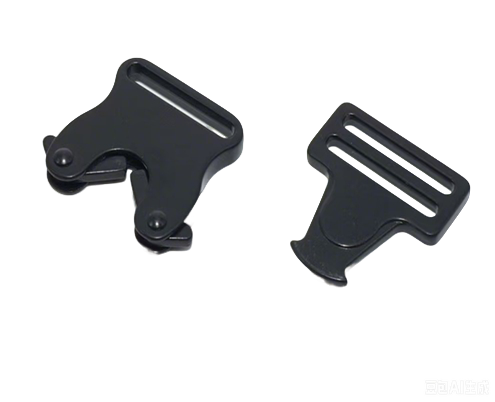
Key Advantages of E-Coating Over Traditional Finishing Methods
Uniform film thickness stands out as a core benefit of electrophoresis. The coating wraps edges, holes and deep cavities without thin gaps. Controlled thickness reduces risks of dimensional tolerance failure. Precision die-cast parts cannot tolerate uneven heavy coating buildup. E-coating uses water-based paint baths with low volatile content. The process supports stable mass production with low waste rates. Formulation options include black, white and custom color finishes. Special grades add UV resistance and enhanced salt spray performance. Both anodic and cathodic resin systems are available for selection. Cathodic systems usually deliver stronger anti-corrosion performance. Anodic options fit projects with different cost and performance targets. Each system can be tuned to match alloy and end-use requirements. Adhesion strength relies heavily on standardized pre-treatment steps. Poor pre-cleaning will cause peeling or early coating failure.
Standard Process Flow for Die-Cast Electrophoretic Coating
Pre-treatment starts with degreasing to remove surface oil and debris. Phosphating creates a conversion layer to boost paint adhesion. Multiple rinsing stages remove residual chemicals from the substrate. Cleanliness checks happen before parts enter the paint bath. Clean parts are fully immersed in the water-based electrophoretic paint. A controlled DC electric field guides charged paint particles outward. Particles deposit evenly across all exposed metal surfaces. Operators monitor voltage, bath concentration and temperature closely. Excess loose paint is rinsed off after deposition completes. Parts then move to curing ovens at controlled high temperatures. Heat triggers crosslinking and hardens the protective coating layer. Curing parameters change based on resin type and alloy thermal limits. Magnesium alloys need extra care to avoid heat-related deformation. The finished parts go through full laboratory and automated checks.
Critical Quality Checks for Die-Cast E-Coating Projects
Film thickness is measured with high-precision testing equipment. Typical target thickness ranges from 15 to 25 micrometers. Tight tolerance control keeps finished parts within drawing specs. Salt spray testing verifies real-world anti-corrosion performance. Results vary from 300 hours to 1,000 hours per resin selection. Inspectors check coating adhesion using standardized test methods. Surface uniformity and cosmetic appearance also receive review. Every batch can follow 100% inspection for high-volume orders. Certified quality systems support consistent long-run production. ISO9001 covers general quality management requirements. ISO14001 regulates environmental control for coating operations. IATF16949 certification meets strict automotive industry rules. National high-tech enterprise status reflects process innovation. These credentials reduce compliance risks for OEM buyers.
Scalable Production Supports Prototypes and Mass Manufacturing
The coating service works well for both small samples and large runs. Minimum order quantity can start at one hundred pieces. Lead time adjusts based on part complexity and total order volume. Sample confirmation helps engineers lock in coating parameters early. Rapid sample service cuts delays before formal mass production. Large-scale projects have proven stable quality over millions of parts. Motor component projects achieved extended salt spray resistance. Good coating protection can add years to product service life. CNC and die-cast supply chains benefit from integrated finishing. One-stop service lowers logistics and cross-supplier quality risks. Manufacturers avoid coordinating separate casting and coating vendors. This integrated model fits automotive and industrial OEM programs. Buyers gain clearer accountability for final finished components. Custom color and performance options support diverse product designs.
Final Takeaway for Industrial Sourcing Teams
Electrophoretic coating solves the weak points of die-cast finishing. It balances corrosion resistance, full coverage and dimensional control. Sourcing teams should verify substrate experience first. A qualified supplier understands zinc, aluminum and magnesium traits. Review certifications, testing gear and real production cases carefully. Check salt spray data, thickness tolerance and curing capabilities. Sample validation is a wise step before releasing high-volume orders. Well-controlled E-coating reduces field failures and warranty costs. The technology will keep growing alongside lightweight die-cast trends. Qualified finishing partners bring long-term value to metal component projects.